By Willa Fern Quenby · Published by Fine Porch Interior Observations
Fine Porch’s introduction describes gracious rooms and private suites within a heritage setting. It is easy to picture polished furniture and an evening under warm lamps. Yet heritage room comfort depends on details that a photograph cannot settle. In 2026, a useful room enquiry still begins with ordinary habits: sleeping, reading, unpacking and moving around without disturbing a companion.
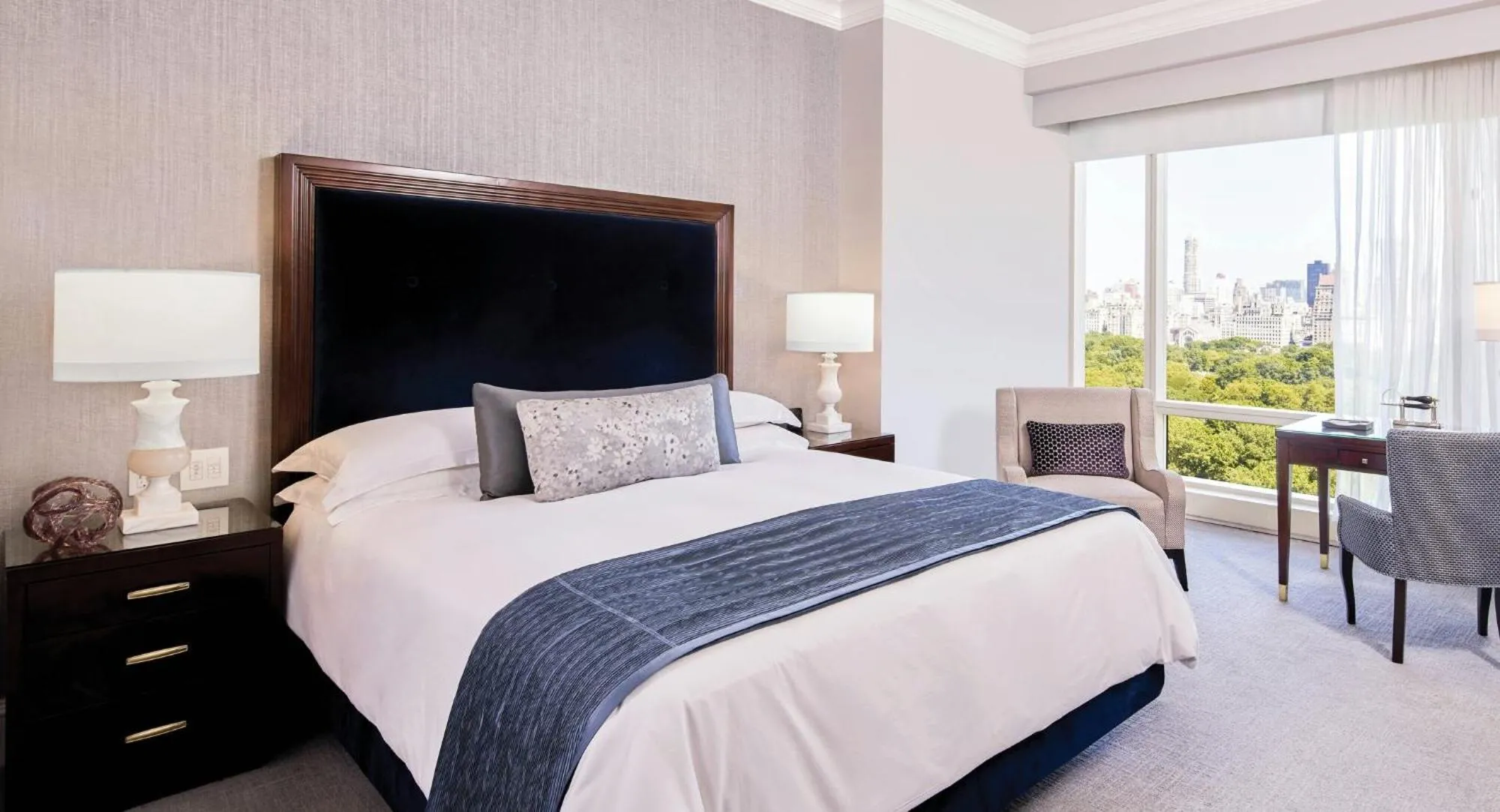
Read the photograph as a partial view
A wide view may show the bed and an inviting chair while leaving the entrance, bathroom door and storage outside the frame. Ask whether the pictured arrangement represents the room category being considered. Decorative similarities do not establish an identical floor plan. A corner room, for example, may differ from another room sold under the same broad description.
Separate what you can see from what you need to know. A chair beside a window suggests a reading spot, but it does not confirm a useful lamp after sunset. A clear floor in a staged image says little about the space left once two suitcases are open. Ask specific questions that staff can answer without interpreting what luxury means to you.
Turn an impression into a question
- Is there a reading light beside the seating?
- Where can luggage remain open without blocking a door?
- Does the confirmed room have the arrangement shown?
If arrival involves a long journey, decide which feature matters most on the first night. A restful position may be more useful than a particular outlook. The arrival article explains why luggage and room access should be confirmed separately. Neither a room photograph nor a pleasing hotel description guarantees an early check-in.
Think about the room after dark
Daylight can make a room feel spacious while concealing the practical effect of evening lighting. Consider how one person can read while another rests, and whether curtains provide the privacy you want. A river-facing description does not establish the direction of every window. Ask about the actual room position rather than assuming that all views work in the same way.
| Preference | Useful question |
|---|---|
| Early sleep | How close is the room to evening activity? |
| Reading in bed | Can bedside lights be controlled separately? |
| Evening privacy | What window coverings are provided? |
Sound deserves the same practical treatment. Fine Porch mentions live music and a gaming floor, but that does not describe how noise travels to any particular bedroom. Ask about proximity to public rooms, lifts and service routes. Staff may be able to explain location choices, while an absolute promise of silence would tell you less about the building’s everyday operation.
Walk through a normal room routine
Imagine entering with a coat, putting down a bag and reaching the bathroom while another person is seated. That short mental walk can reveal more than a list of decorative features. If access needs matter, request clear information about thresholds, door widths and bathroom arrangements directly. A suite name does not provide those measurements or confirm a suitable route through the building.
- List the room activities that matter to both guests.
- Choose the two practical details that would change your decision.
- Ask for confirmation against the booked room category.
Room needs also depend on the evening you want. Someone returning early from dinner may value a separate light more than additional seating. Someone taking a quiet break before music may prefer a useful chair. The resort evening article leaves room for those different rhythms rather than assuming everyone stays out together.
Author’s opinion
I enjoy a room with character, but I would judge heritage room comfort by what happens once the photograph’s perfect moment has passed. Good questions about light, doors and sound make an attractive setting easier to live in. My preference is to settle a few everyday needs first, then enjoy the furnishings without expecting them to solve every practical part of the stay.